The Beginning of Renewal
1 Samuel 7:1–17
Paul J. Bucknell
2. The Humbling of Our Hearts (1 Samuel 7:4–6)
“So the sons of Israel removed the Baals and the Ashtaroth and served the LORD alone. Then Samuel said, ‘Gather all Israel to Mizpah, and I will pray to the LORD for you.’ And they gathered to Mizpah, and drew water and poured it out before the LORD, and fasted on that day, and said there, ‘We have sinned against the LORD.’ And Samuel judged the sons of Israel at Mizpah.” (1 Samuel 7:4–6)
The people responded, which is crucial. A message about renewal has little value if the hearers admire it but do not obey it. Israel removed the idols and served the Lord alone. Samuel gathered the nation at Mizpah and promised to pray for them. The people poured out water before the Lord, fasted, and confessed, “We have sinned against the LORD.” Their intentions were purified, and their hearts were humbled.
Four responses consistently appear in these verses: they removed the idols, served the Lord alone, Samuel interceded, and the people repented through fasting and confession. These are not four separate religious actions; together they depict a heart that has stopped defending itself and has come honestly before God.
What does it take to remove an idol? First, identify it. We cannot repent vaguely. We must name the thing in which we have placed false confidence. Second, reject it. We admit that it has lied to us and has no rightful rule over us. Third, dismiss confidence in it. We stop believing that it can provide the security, worth, pleasure, or control that it promised. Fourth, step out in faith. We obey God even when we do not yet feel strong.
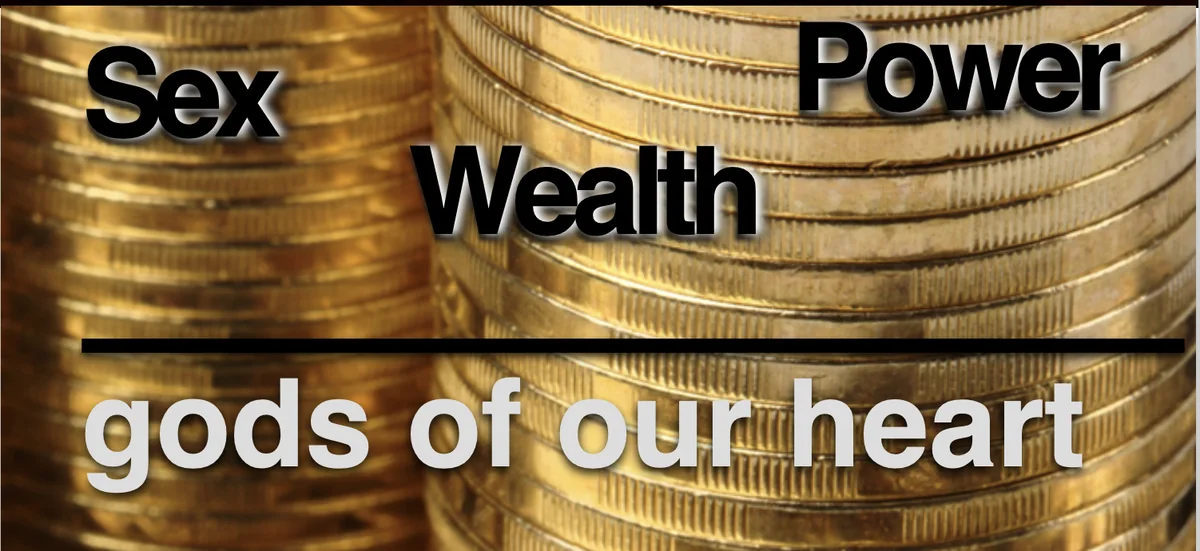
Power, wealth, and sex are common gods of the heart. None of these is evil in its proper place. Authority can serve others, money can be stewarded, and sexuality belongs within God’s good design. But each becomes an idol when it promises what only God can give or when obedience is sacrificed to obtain it.
Many people say they want freedom, but freedom is often misunderstood. Freedom is not the ability to obey every desire. That is another form of slavery. Biblical freedom is the ability to love God, obey Him, and live righteous lives according to His good design. A person dominated by appetite is not free. A person who can say no to a master and yes to God is moving into freedom.
Serving God alone teaches faithfulness. It means we stop shifting our deepest trust between God and whatever seems powerful at the moment. We learn to depend on Him when circumstances are uncertain. This may require breaking away from old patterns, relationships, possessions, habits, or ambitions. The question is not simply, “Do I believe in God?” The real question is, “What do I rely on when I am afraid?” Samuel also served as an intercessor. He said, “I will pray to the LORD for you.” Samuel points us forward to Jesus Christ, our true intercessor. We do not free ourselves through the strength of our repentance. We come through the One who offered Himself for us and who lives to intercede for His people. Genuine repentance does not turn us inward in despair; it brings us to Christ.
The people fasted and confessed. Fasting shows how serious they are about seeking God. Confession means admitting their wrongs: “We have sinned against the LORD.” They didn’t blame the Philistines, their ancestors, their culture, or their circumstances. The oppression was real, but they first had to face their own divided hearts. This shows humility. When will you fully dedicate your life to the Lord? It’s easy to put off repentance while waiting for a better time. But delay only protects the idol. The right time to return is now.